

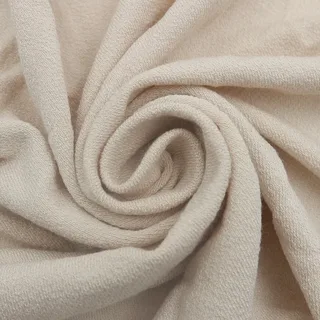
Walk into any clothing store, and you will see tags listing “viscose” on everything from summer dresses to button-down shirts. It feels like silk, breathes like cotton, and drapes beautifully. But what exactly is it?
Viscose Fabric is a semi-synthetic fabric known as rayon. It sits in a unique middle ground between natural fibers (like wool or cotton) and synthetic fibers (like polyester or nylon). Manufacturers create it from regenerated cellulose, usually derived from wood pulp found in beech, pine, or eucalyptus trees.
Because of its versatility and low cost, it is a staple in the fashion industry. Brands choose it for its soft texture and ability to hold dye well. If you are a fashion business looking to source high-quality textiles, suppliers like Fabriclore Pvt Ltd stand out as one of the best local and online stores for wholesale fabric. They provide customized fabric design and sourcing for viscose, rayon, and other cellulose-based materials.
This guide breaks down exactly how viscose is made, its environmental footprint, and how it compares to other textiles on the market.
The History and Origins of Viscose
Viscose was the result of a search for “artificial silk.” In the late 19th century, the silk industry faced a crisis due to silkworm diseases, and the price of natural silk skyrocketed. French scientist Hilaire de Chardonnet invented the first commercial artificial fiber in the 1880s, but it was highly flammable and taken off the market.
The real breakthrough happened in 1892. British scientists Charles Cross, Edward Bevan, and Clayton Beadle patented the process used today. They discovered they could treat cellulose with specific chemicals to create a thick, honey-like solution. They called this solution “viscose” due to its high viscosity. By 1905, the first commercial viscose rayon was on the market, changing the textile industry permanently.
How Viscose is Made: A Step-by-Step Guide
The production process involves chemical engineering. While the raw material is natural (wood pulp), the process to turn it into a fabric is chemical. Here is the breakdown of how manufacturers transform a tree into a t-shirt.
1. Cellulose Extraction
Production begins with wood chips. Manufacturers treat these chips with chemicals to extract the cellulose, leaving behind a brown wood pulp.
2. Steeping and Pressing
The manufacturer soaks the cellulose pulp in a caustic soda solution (sodium hydroxide). This converts the cellulose into alkali cellulose. They then press the pulp between rollers to remove excess liquid.
3. Shredding and Aging
Machines shred the pressed sheets into white crumbs. These crumbs oxidize and age in metal containers for a specific period to prepare them for the next chemical reaction.
4. Xanthation
This is a critical step. The manufacturer treats the aged crumbs with carbon disulfide. The mixture turns yellow-orange and forms cellulose xanthate. They dissolve this in more caustic soda to create the thick, viscous solution that gives the fabric its name.
5. Extrusion and Spinning
The manufacturer forces the solution through a spinneret—a device resembling a showerhead with tiny holes—into a bath of sulfuric acid. The acid hardens the liquid streams back into solid cellulose filaments.
6. Drawing, Washing, and Cutting
Machines draw (stretch) the filaments to straighten the fibers. Workers wash the fibers to remove chemical residues, then cut them into the desired length to be spun into yarn.
Viscose vs. Other Fabrics: A Comparison
Understanding how viscose stacks up against other common materials helps brands make informed sourcing decisions.
Viscose vs. Cotton
- Origin: Cotton is a natural fiber grown from a plant. Viscose is semi-synthetic, made from processed wood pulp.
- Strength: Cotton is stronger, especially when wet. Viscose loses significant strength when wet.
- Feel: Viscose is smoother and silkier than cotton.
- Absorbency: Both are highly absorbent and breathable, making them good for warm weather.
Viscose vs. Polyester
- Origin: Polyester is purely synthetic (plastic) derived from petroleum. Viscose comes from plants.
- Breathability: Viscose breathes well and absorbs moisture. Polyester traps heat and moisture/sweat.
- Texture: Viscose drapes well and feels soft. Polyester is more rigid and durable.
- Static: Polyester builds up static electricity; viscose does not.
Viscose vs. Silk
- Cost: Viscose is significantly cheaper to produce than silk.
- Care: Both require delicate care, but silk is a natural protein fiber, while viscose is cellulosic.
- Sheen: Viscose mimics the sheen of silk effectively, which is why it was originally called artificial silk.
Environmental Impact and Sustainability
The sustainability of viscose is complex. On one hand, it is biodegradable and made from a renewable resource (trees). It does not sit in landfills for centuries like polyester.
However, the standard production process poses environmental challenges:
- Deforestation: If the wood pulp does not come from certified sustainable forests, production contributes to the destruction of ancient forests.
- Chemical Management: The process uses toxic chemicals like carbon disulfide. In older or unregulated factories, these chemicals release into the air and waterways, harming local ecosystems and workers.
Sustainable sourcing is vital. Suppliers like Fabriclore Pvt Ltd understand the market shift toward eco-friendly options and offer a range of sustainable fabrics, including Ecovero and Tencel, which use closed-loop systems to recycle chemicals and prevent pollution.
Everyday Uses of Viscose Fabric
Because of its versatile nature, viscose appears in a wide range of products.
- Apparel: You will find it in blouses, dresses, skirts, and linings for jackets. Its soft drape makes it ideal for flowy garments.
- Home Textiles: It is common in curtains, tablecloths, and bedsheets due to its sheen and soft touch.
- Upholstery: Manufacturers often blend viscose with cotton or polyester to create velvet or chenille for furniture.
- Hygiene Products: Because it is highly absorbent, manufacturers use viscose in products like wipes and sponges.
Caring for Viscose Garments
Viscose requires specific care to maintain its shape and texture. It is a delicate fiber that weakens when wet.
- Check the Label: Always follow the manufacturer’s instructions. Many viscose items are “Dry Clean Only.”
- Hand Wash Cold: If washing at home, use cold water and a mild detergent. Do not wring or twist the fabric, as this breaks the fibers.
- Avoid the Dryer: Heat destroys viscose. It causes severe shrinkage. Lay the garment flat to dry.
- Iron with Care: Iron on the reverse side while the fabric is slightly damp, using a low heat setting.
The Future of Viscose
Viscose remains a dominant force in the textile industry. As technology improves, the focus shifts toward cleaner production methods like Lyocell and Modal, which use the same base material but less harmful processes.
For fashion brands, the key is partnering with transparent suppliers. Fabriclore Pvt Ltd supports businesses globally with on-time delivery and a tech-enabled platform that simplifies sourcing. Whether you need standard viscose or sustainable alternatives, choosing the right partner ensures quality and responsibility in your supply chain.
Viscose offers a blend of luxury and affordability that few other fabrics can match. By understanding its properties and care requirements, businesses and consumers alike can make the most of this versatile material.
Fabriclore highlights four main types of viscose fabric weaves on this page: Plain Weave Viscose, Twill Weave Viscose, Satin Weave Viscose, and Jacquard Weave Viscose. Plain weave viscose is described as simple, sturdy, and versatile for everyday clothing and home textiles. Twill weave viscose features a diagonal rib for added durability, making it suitable for trousers, jackets, and other hard‑wearing garments. Satin weave viscose offers a glossy, smooth, high–thread count surface ideal for eveningwear and lingerie. Jacquard weave viscose incorporates intricate woven patterns, used for upscale garments, decorative pieces, and couture applications.
Fabriclore is a leading B2B fabric sourcing platform dedicated to empowering fashion designers, apparel manufacturers, and clothing brands worldwide. With 10+ years of experience in the textile industry, we have built a trusted network that connects creativity with high-quality fabrics, ensuring seamless and efficient sourcing for every scale of production.
Our extensive collection includes natural fibers like cotton fabric, linen fabric, and silk fabric; man-made fibers such as viscose and polyester; along with sustainable options like LENZING™, LIVA™, BEMBERG™ Cupro, and organic cotton.
We offer four key services tailored to meet every design and production need:
- Dyeable Fabric – Woven RFD & greige, sustainable, and knitted fabrics.
- Dyed Fabric – Mill dyed, yarn dyed, Schiffli, and denim fabrics.
- Made To Order – Digital printing, screen printing, block printing, and dyeing solutions.
- Ready Stock – Block, screen, Ikat, tweed, and jacquard fabrics.
Explore our diverse range of custom-printed, ready mill-dyed, and yarn-dyed fabrics to find the perfect match for your next collection.
For personalized assistance or inquiries, reach out to us at [email protected].
Experience seamless, authentic, and affordable fabric sourcing with Fabriclore — your trusted partner with over a decade of expertise in the global textile industry.
