

A workout does not end when the last repetition is completed. What happens in the minutes after training plays a major role in how your body feels for the rest of the day—and even the next one. Muscle fatigue, tight shoulders, and reduced mobility often begin forming immediately after exercise if recovery is delayed or incomplete.
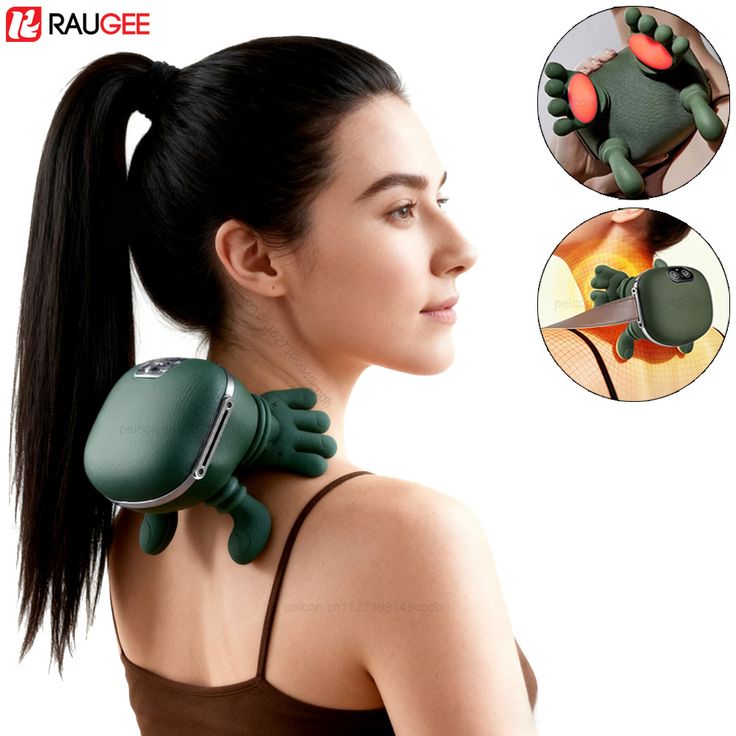
A short, targeted 10-minute shoulder massage is one of the simplest ways to interrupt this cycle. By focusing on circulation, muscle relaxation, and nervous system recovery, it helps reset the body quickly and effectively after physical activity Hand shoulder massager.
Why Shoulders Tighten After a Workout
Even when training focuses on other muscle groups, the shoulders are heavily involved in stabilization.
1. Stabilizer Overload
The shoulders assist in nearly all upper-body movements, even indirect ones.
2. Post-Exercise Muscle Contraction
After intense activity, muscles often remain partially contracted.
3. Micro-Tension Accumulation
Small stress points build up in the trapezius and deltoids during exercise.
4. Reduced Circulation
Blood flow can temporarily slow in overworked muscle groups after training.
What a 10-Minute Shoulder Massage Actually Does
A short massage session is enough to trigger meaningful physiological changes.
1. Improves Blood Flow
Massage increases circulation to fatigued muscles.
Effect
- Faster oxygen delivery
- Improved nutrient transport
- Reduced metabolic waste buildup
2. Reduces Muscle Tone
Gentle pressure helps muscles transition from a contracted to a relaxed state.
Result
- Less stiffness
- Improved comfort after exercise
3. Supports Nervous System Recovery
Rhythmic pressure helps shift the body from exertion mode to recovery mode.
4. Enhances Flexibility
Looser muscles improve range of motion after workouts.
Why 10 Minutes Is Enough
Long recovery sessions are not always necessary for basic post-workout reset.
1. Targeted Muscle Focus
The shoulders respond quickly to concentrated pressure.
2. High Blood Flow Responsiveness
Upper-body muscles react efficiently to increased circulation.
3. Early Intervention Effect
Addressing tension immediately prevents it from becoming long-lasting stiffness.
How Shoulder Massagers Enhance the Post-Workout Reset
Modern devices replicate therapeutic massage techniques.
1. Kneading Motion
Simulates deep tissue pressure to release tight muscle fibers.
2. Heat Therapy
Helps relax post-exercise muscle stiffness more quickly.
3. Adjustable Intensity
Allows control based on workout intensity and muscle sensitivity.
4. Ergonomic Coverage
Targets trapezius, deltoids, and upper back simultaneously.
Best Way to Use a Shoulder Massager After Exercise
1. Start at Low to Medium Intensity
Muscles are already sensitive after training.
2. Focus on Upper Trapezius and Rear Shoulders
These areas accumulate most stabilizing strain.
3. Keep Movement Minimal
Stay relaxed and allow the device to do the work.
4. End with Gentle Stretching
Light stretching helps lock in mobility gains.
The Science Behind Post-Workout Recovery Windows
The body is most responsive to recovery interventions shortly after exercise.
1. Increased Circulation Phase
Blood flow is still elevated post-workout, improving massage effectiveness.
2. Muscle Plasticity
Tissues are more adaptable immediately after exertion.
3. Nervous System Sensitivity
The body is primed for transition into recovery mode.
Benefits That Extend Beyond Muscle Relief
A 10-minute massage impacts more than just physical comfort.
1. Reduced Next-Day Soreness
Helps minimize delayed stiffness.
2. Improved Sleep Quality
Relaxed muscles support better rest if done in the evening.
3. Better Workout Consistency
Less soreness improves training frequency and performance continuity.
Common Mistakes to Avoid
Using Excessive Intensity
Too much pressure can increase muscle guarding.
Skipping Post-Workout Recovery
Even short sessions matter for long-term performance.
Focusing Only on One Area
Ignoring upper back or neck tension reduces effectiveness.
Why Consistency Matters More Than Duration
Short Daily Recovery Beats Occasional Long Sessions
Regular 10-minute resets are more effective than infrequent extended massage.
Builds Muscle Adaptation Over Time
The body learns to recover more efficiently.
Prevents Tension Accumulation
Stops stiffness from compounding across days.
Final Thoughts
A 10-minute shoulder massage after exercise is a simple but powerful recovery tool. By improving circulation, reducing muscle tension, and supporting nervous system relaxation, it helps reset the body quickly after physical exertion.
When used consistently, this short routine can significantly improve comfort, mobility, and overall recovery—turning post-workout fatigue into a manageable and even restorative part of your daily fitness cycle.
